What is Melasma? | Liverpool | Formby | Aughton | Maghull | Ormskirk
What is Melasma?
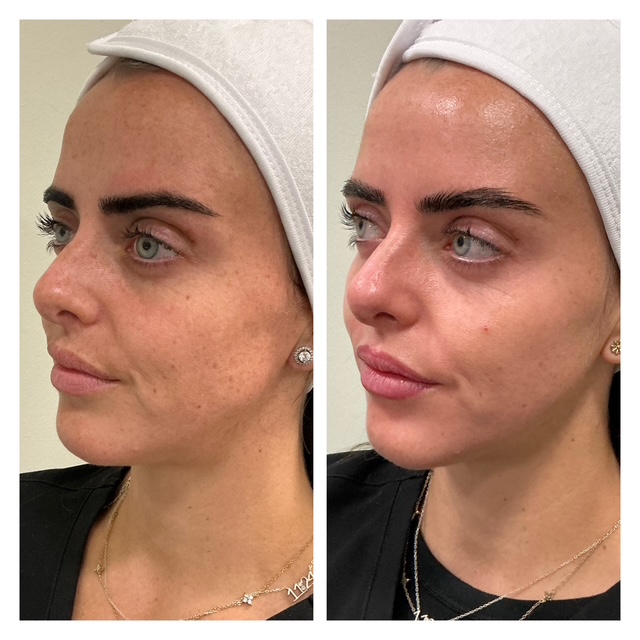
Melasma is a type of pigmentation where the skin makes too much melanin, the pigment that gives skin its colour. When the pigment‑producing cells (melanocytes) become overactive, they create darker patches — usually on the cheeks, forehead, nose or upper lip.
Think of it like the pigment cells getting stuck in “high gear.”
Melasma is not dirt, not sunburn, and not something you can scrub away. It’s a biological response happening deep within the skin.
How Do You Get Melasma?
Melasma is triggered by things that overstimulate the pigment cells. The most common triggers are:
- Sunlight — UV rays switch pigment production into overdrive
- Heat — even without sun, warmth can flare melasma
- Hormones — pregnancy, contraception, hormone changes
- Inflammation — irritation, harsh skincare, or skin trauma
- Genetics — some people are simply more prone
Melasma is especially common in women and can feel unpredictable — some days it’s lighter, other days it’s darker, even when you’re doing “everything right.”
How do we treat melasma?
Melasma can be managed, softened, and significantly improved, but it’s not something that disappears overnight.
The most effective treatments focus on calming pigment production and lifting existing pigment:
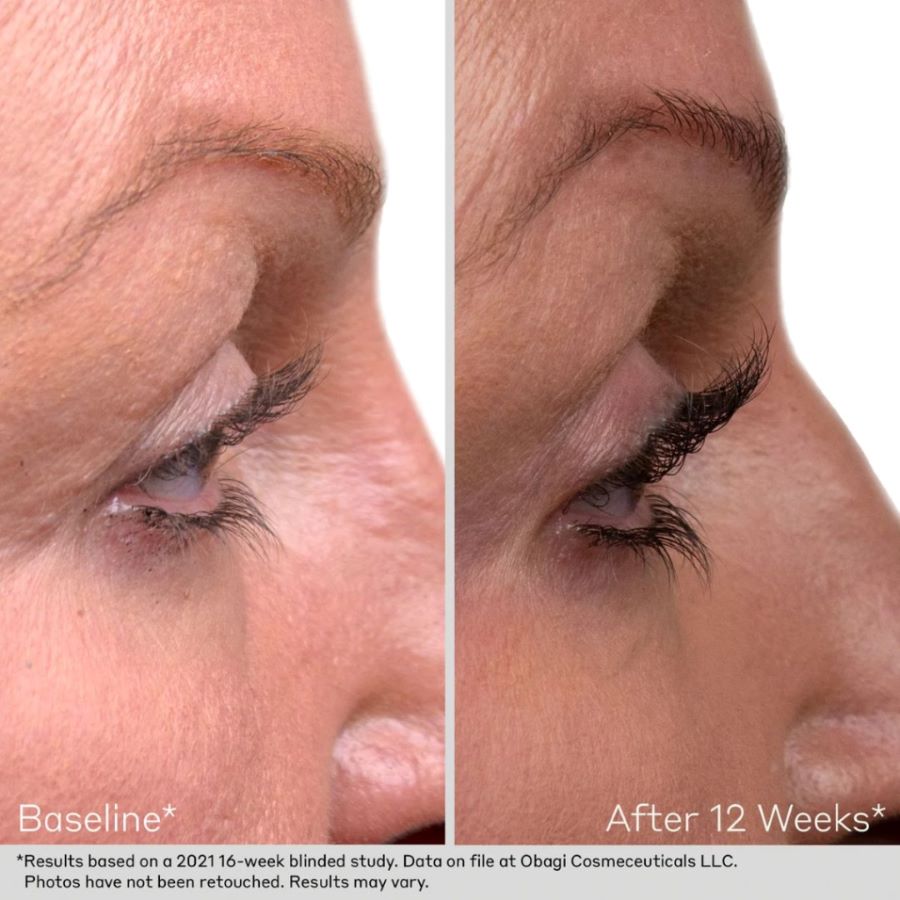
- Medical‑grade skincare (we love Obagi Nu‑Derm and Alumier)
- Tyrosinase inhibitors — ingredients that slow pigment production
- Gentle exfoliation — helps shed pigment‑filled cells
- Strict sun protection — SPF is non‑negotiable
- Barrier repair — calmer skin = calmer pigment cells
Melasma responds best to consistency, not intensity.
Can I have Laser When I Have Melasma?
This is the part most people don’t know — and it’s important.
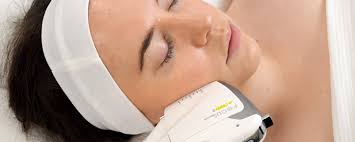
Melasma is unpredictable, and anything that creates heat or inflammation can actually trigger more pigment. Many lasers produce heat within the skin, and for melasma, heat is a major flare trigger.
So while lasers can help some pigmentation types, melasma is different:
- The heat can activate melanocytes, making patches darker
- The inflammation can cause rebound pigmentation
- Results can be unpredictable, even with the best technology
This is why we avoid lasers for melasma and instead use topical medical‑grade systems, chemical peels, and non‑heat‑based treatments such as SkinPen microneedling.
Melasma needs calming, not aggression.
Melasma isn’t just a skin condition — it’s something people carry with them every day. It affects makeup choices, confidence, and how someone feels in sunlight or photos.
But here’s the hopeful part:
At Alisha Louise Aesthetics, with the right approach, melasma can be softened, controlled, and managed.
Do you suffer from melasma? Do you want help improving the appearance of your skin?
Book in for your skin health review today!
Latest posts
Follow us on Instagram


